
Vane Pumps From Insight Hydraulics
Insight Hydraulics is a leading manufacturer of vane pump units. At IH, pump units are manufactured using cutting edge technologies coupled with outstanding craftsmanship.
Hydraulic Single Vane Pumps
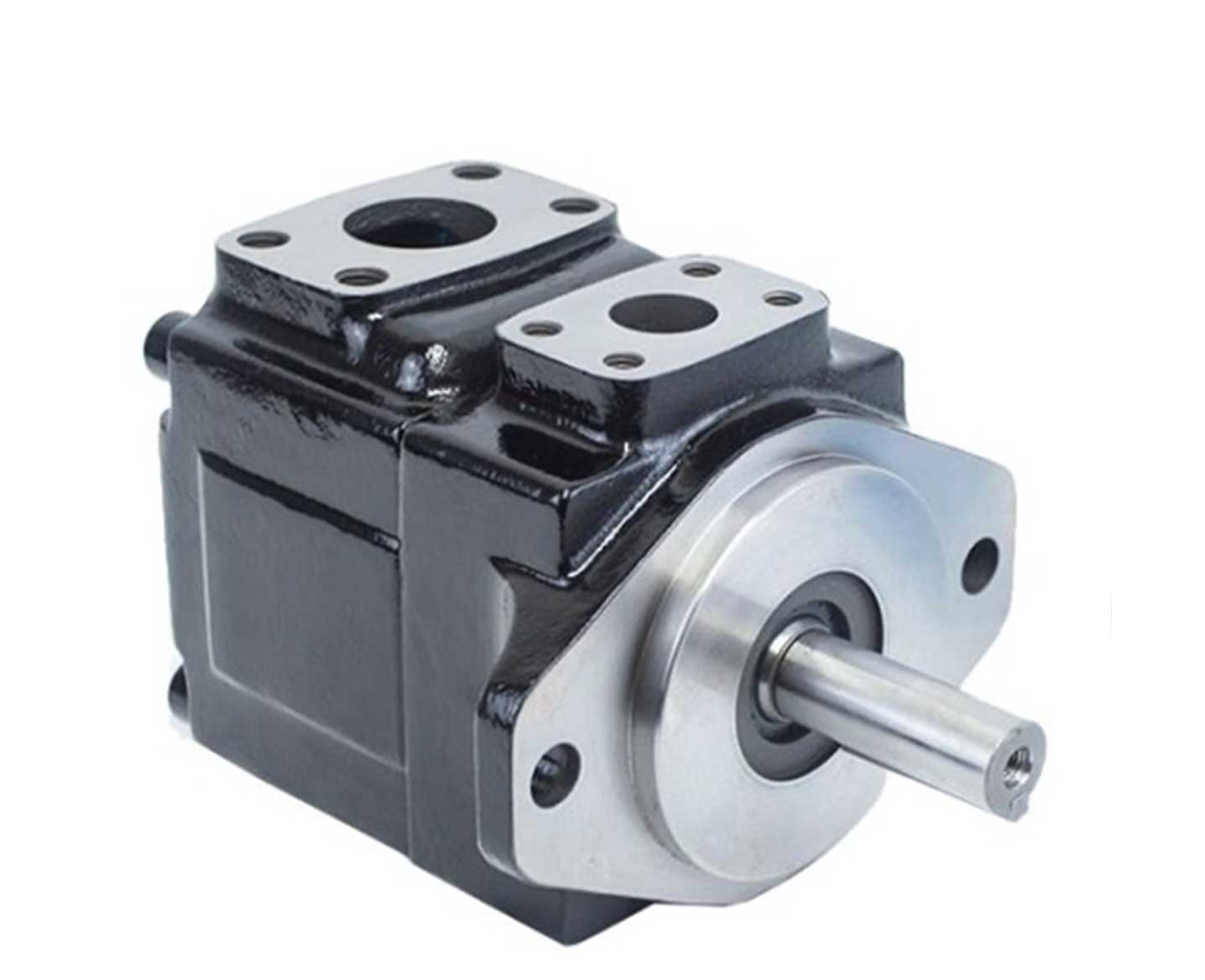
IH6C
Max Displacement : 11-100 cm3/rev
Max pressure : 270 bar
Max RPM : 2800

IH6D
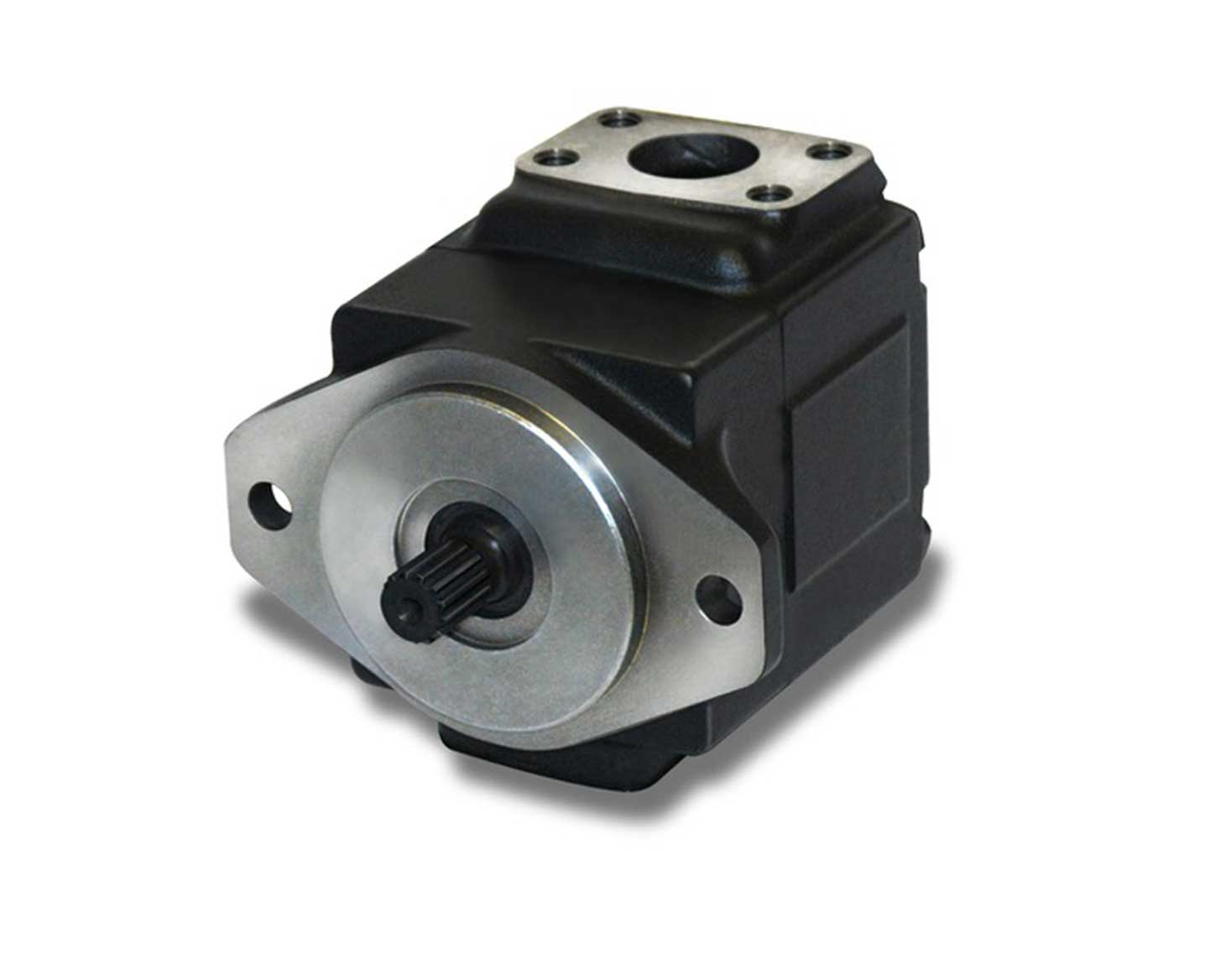
IH6CM
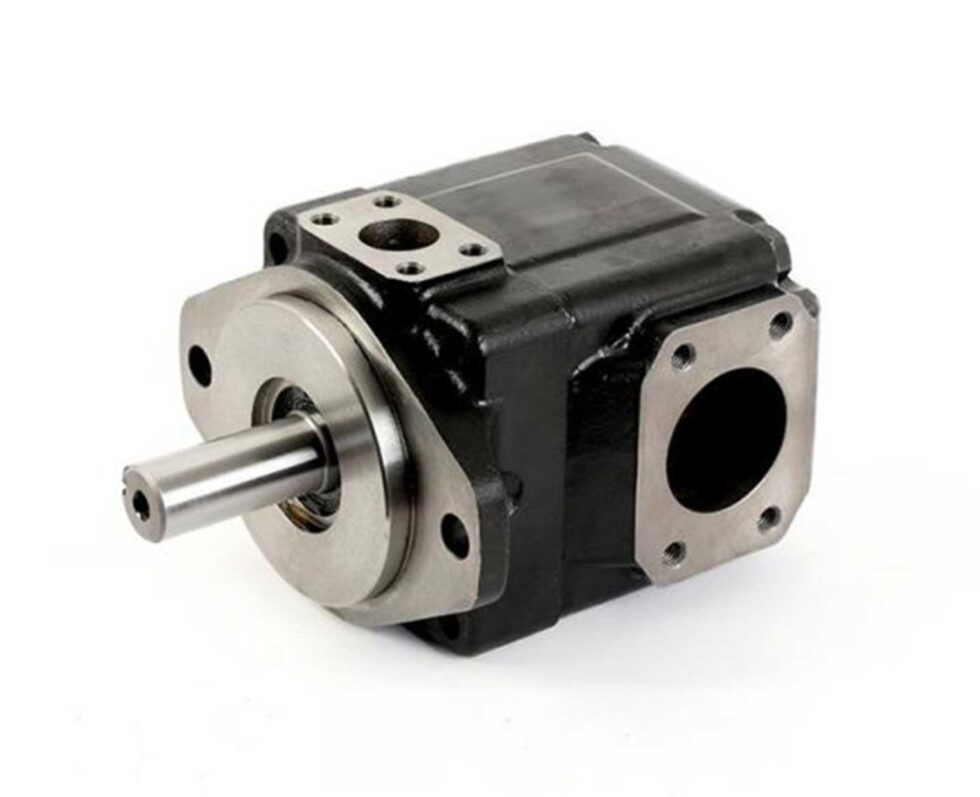
IH6DM
Hydraulic Double Vane Pumps
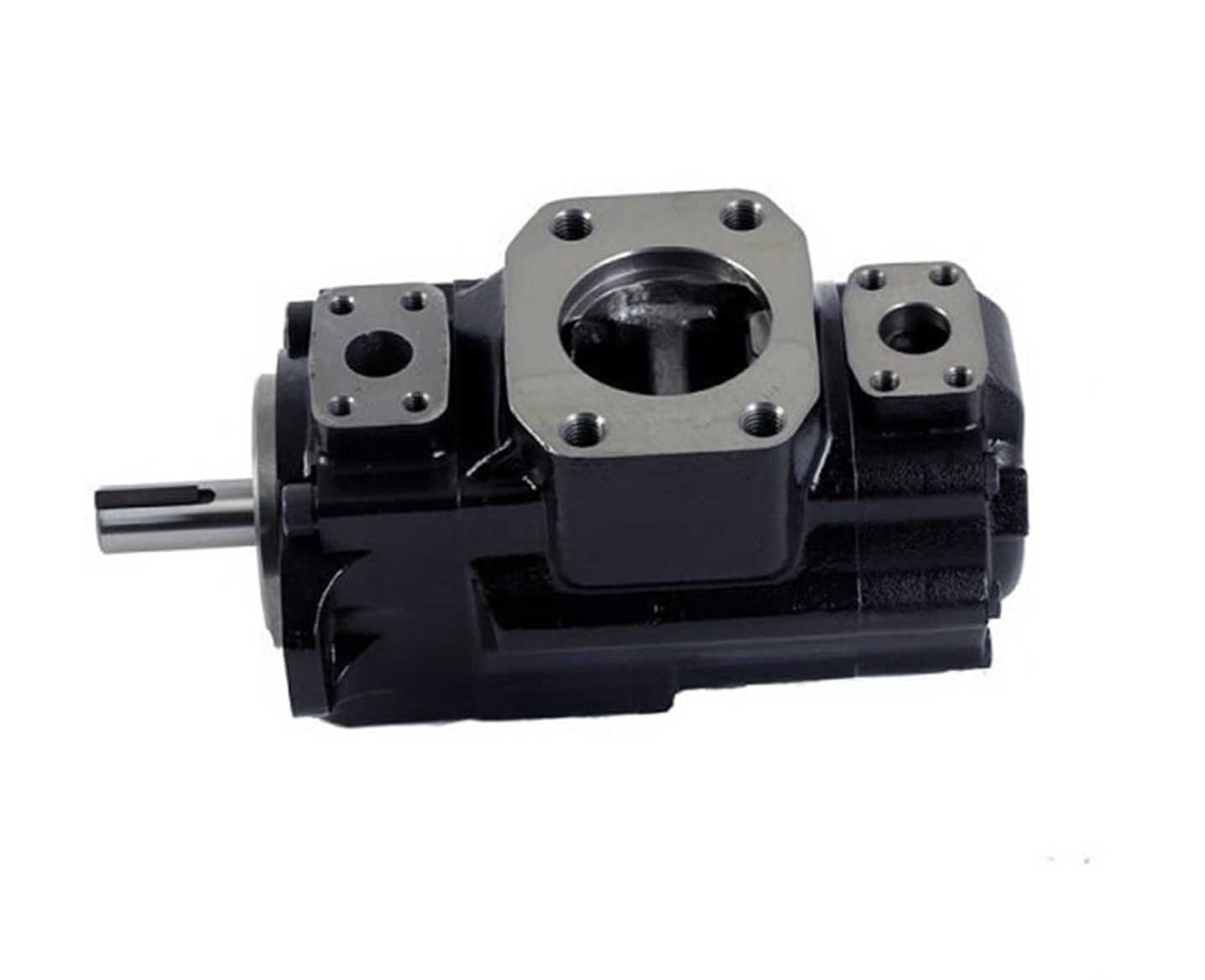
IH6CC
p1 = 03 to 31 GPM
P2= 03 to 28 GPM
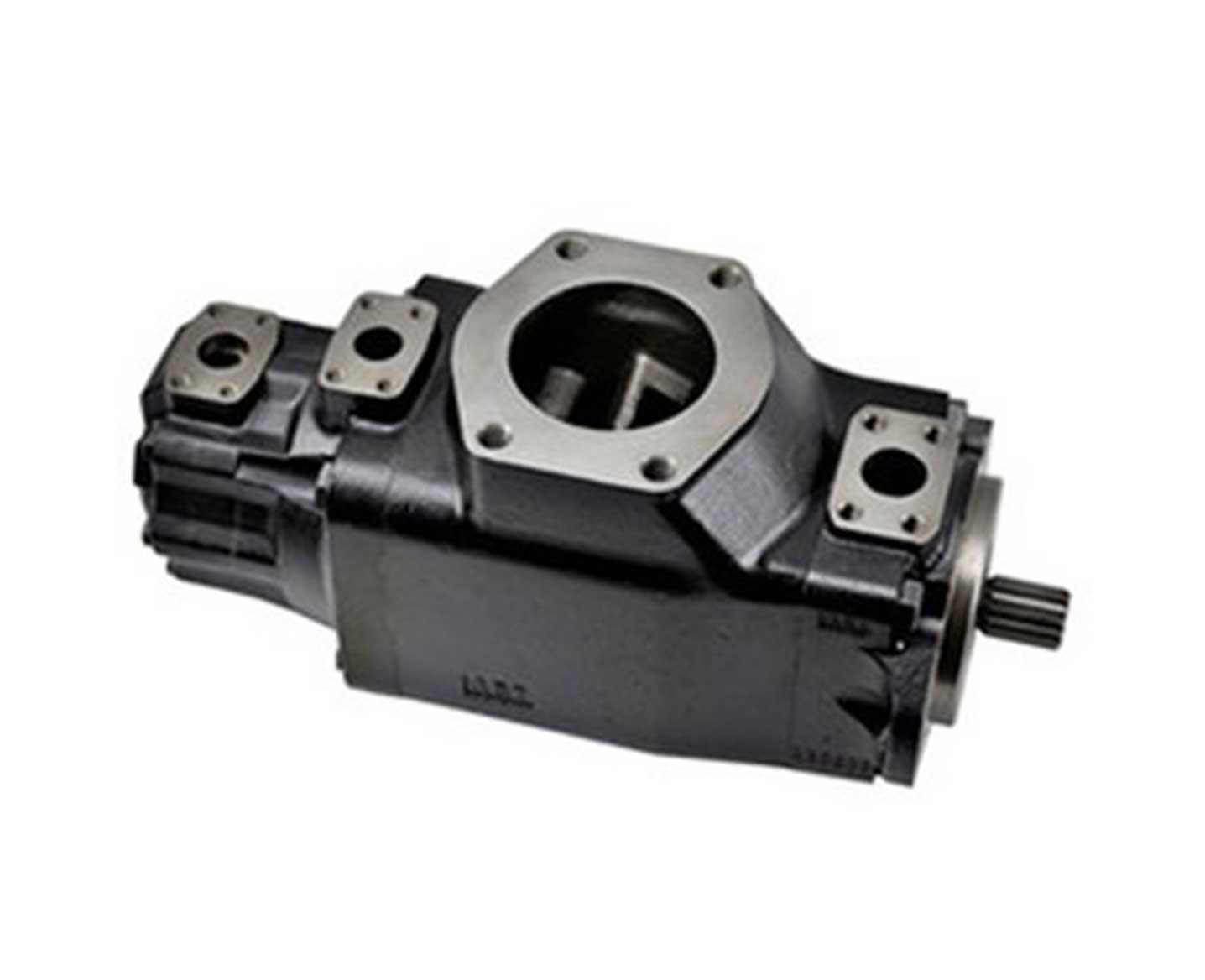
IH6DC
p1 = 14 to 61 GPM
P2= 03 to 31 GPM
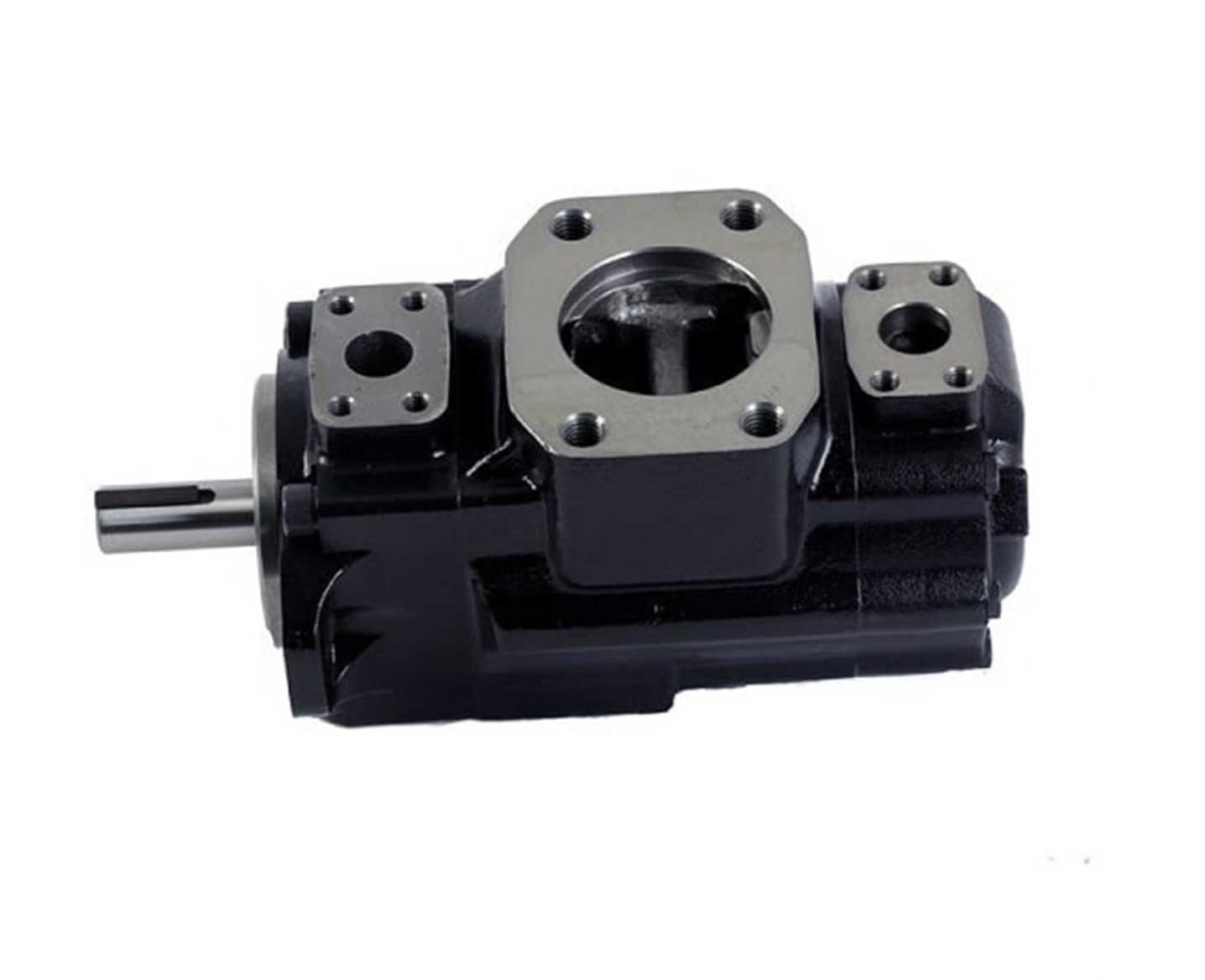
IH6CCM
p1 = 03 to 31 GPM
P2= 03 to 28 GPM
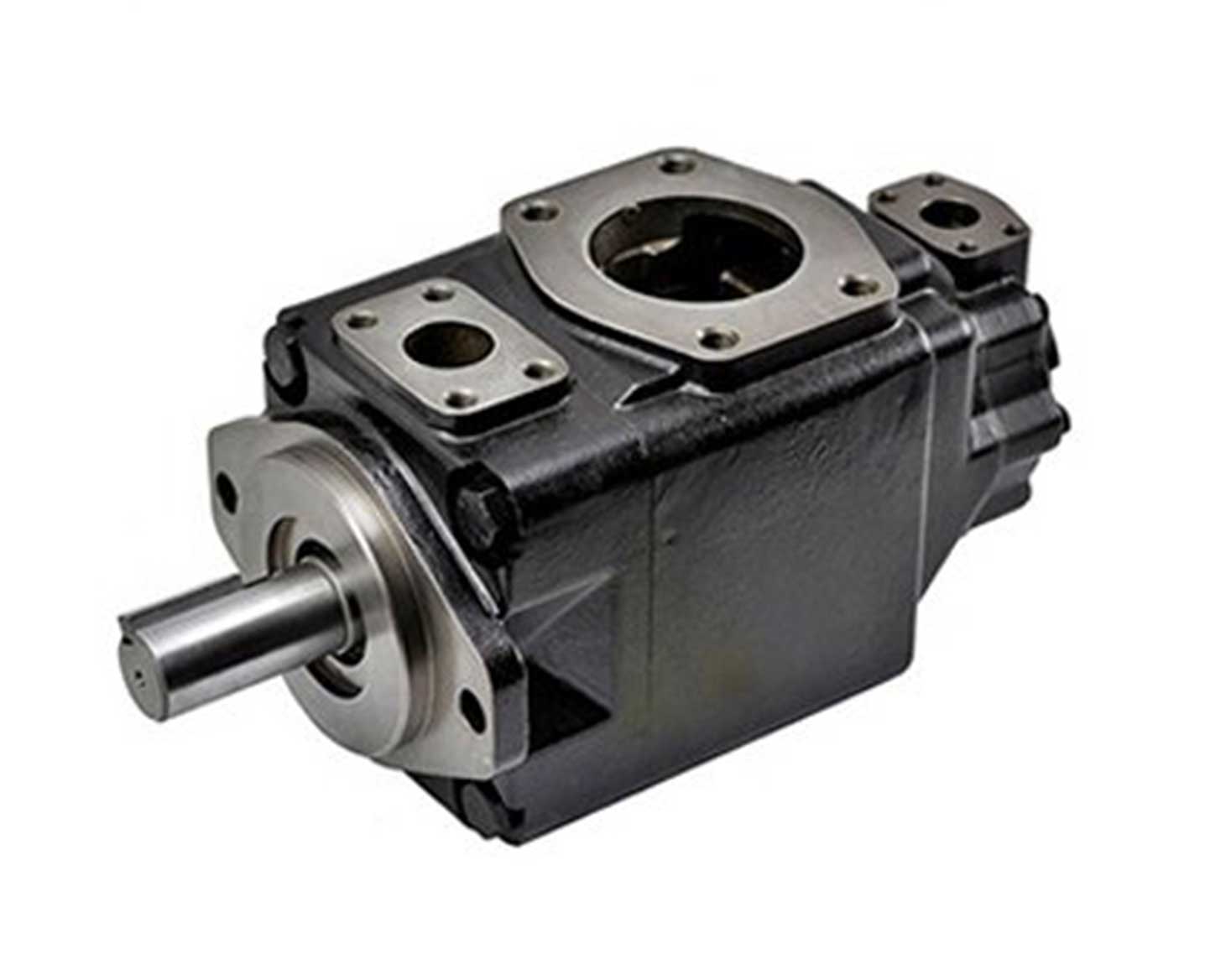
IH6DCM
Max Displacement : 58.0 – 291 cm3/rev
p1 = 14 to 61 GPM
P2= 03 to 31 GPM
Max pressure : 270 bar
Max RPM : 2450
Hydraulic Triple Vane Pumps
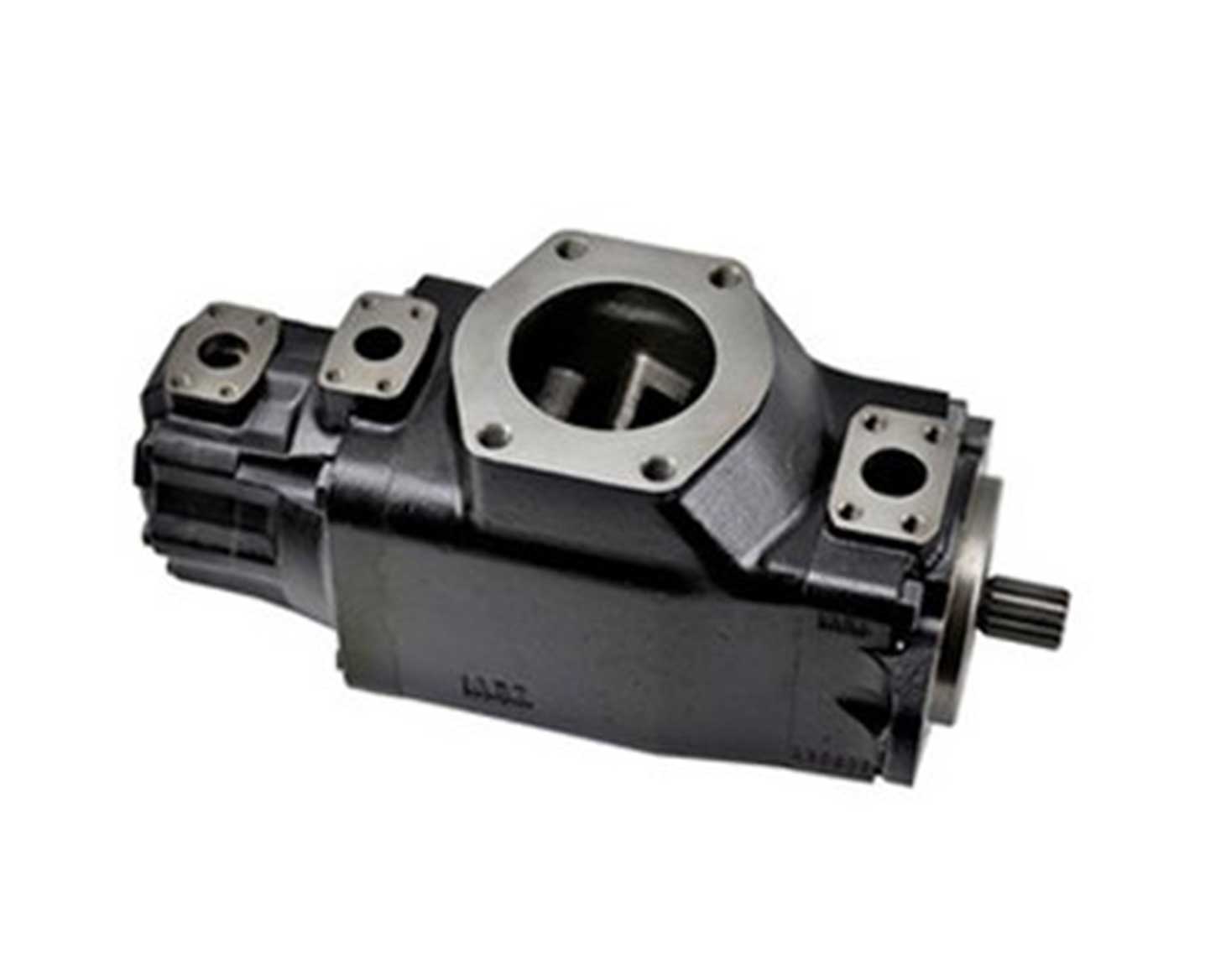
IH6DCC
P1 = 14 to 61 GPM
P2= 03 – 31 GPM
Vane Pumps – Spares
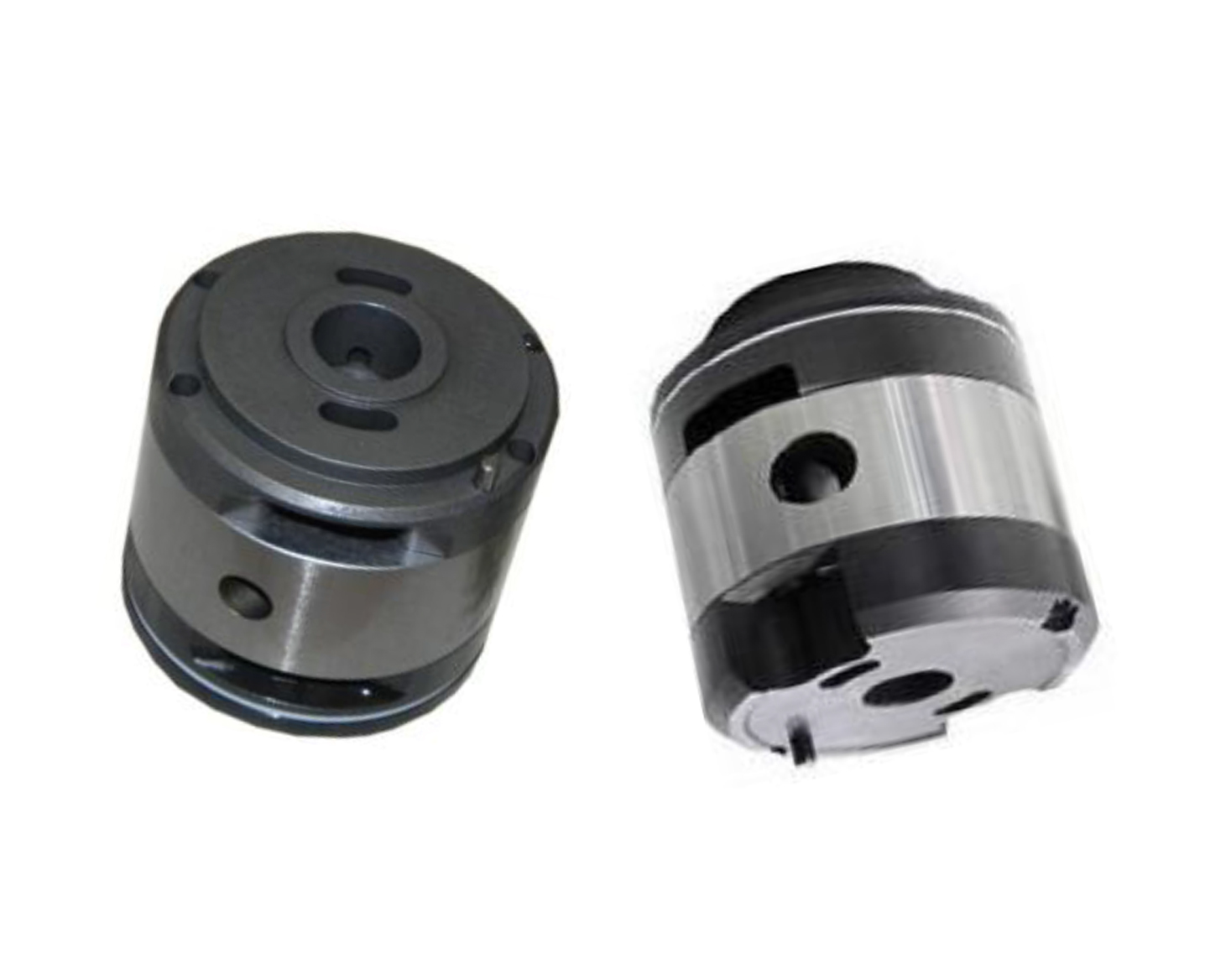
Cartridge
Max Displacement : 22.0 – 200 cm3/rev
p1 = 03 to 31 GPM
P2= 03 to 28 GPM
Max pressure : 270 bar
Max RPM : 2800
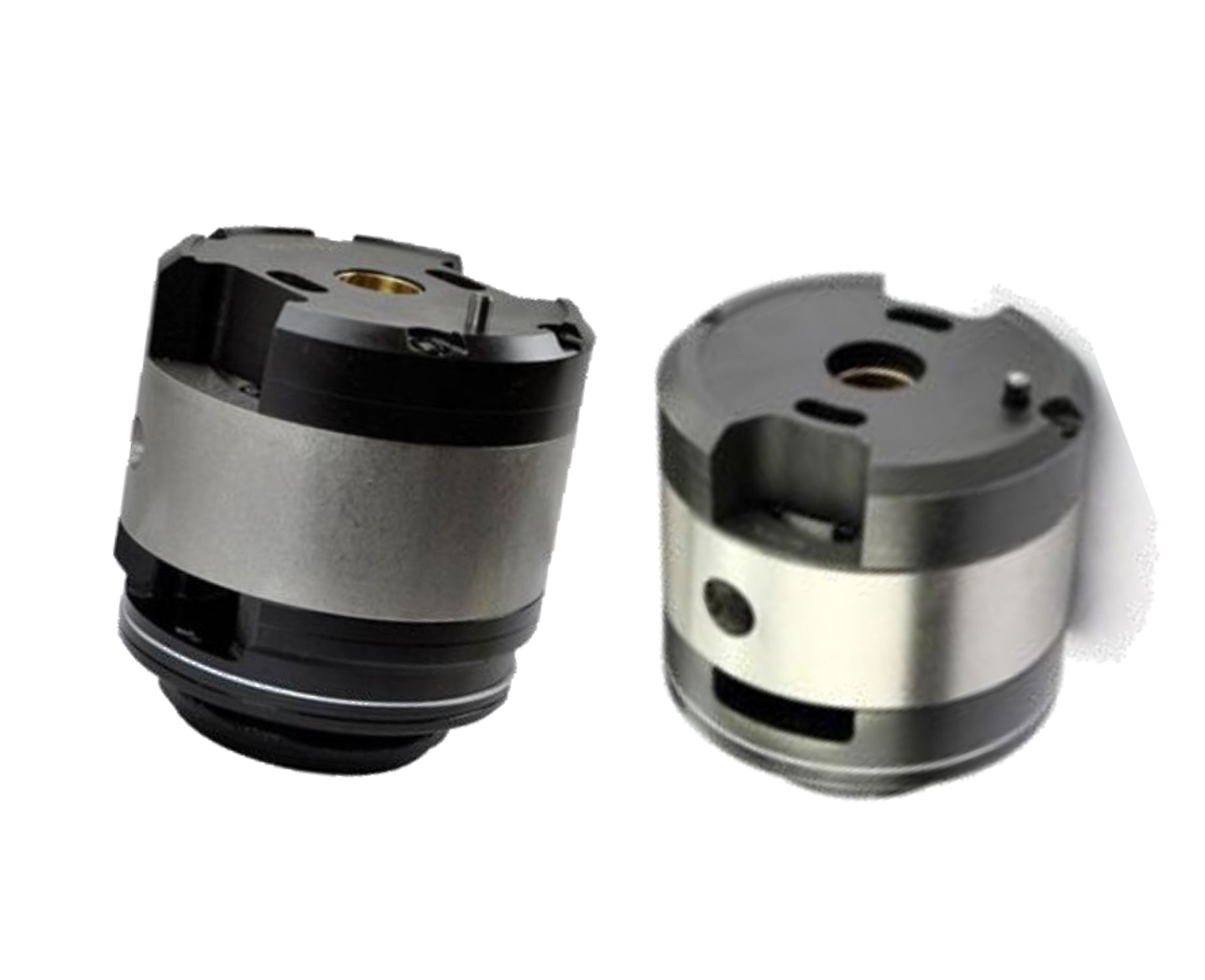
Cartridge
p1 = 14 to 61 GPM
P2= 03 to 31 GPM
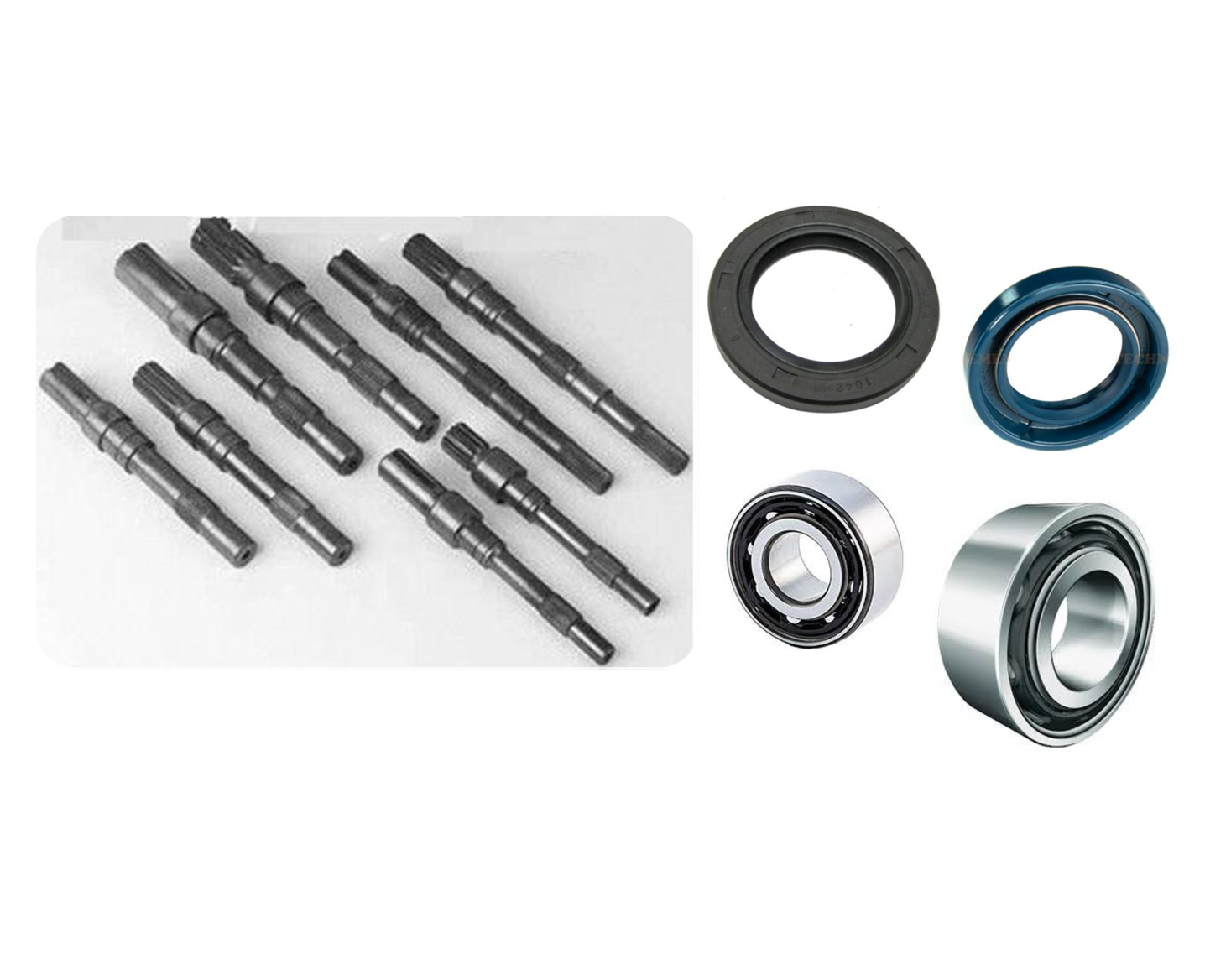
Vane Pump Spares
Vane Pump- An Introduction
A vane pump is a type of positive displacement pump with a rotary mechanism. It consists of vanes that are arranged radially on a cylindrical rotor, which is positioned off-center within the pump casing. These vanes create sealed compartments that trap and move fluid through the system. During the pump’s rotation cycle, changes in the volume between adjacent vanes, due to the eccentric rotor position, generate the pumping action. This action results in suction at the pump inlet and discharge at the outlet.
There are two primary types of vane pumps: sliding vane pumps and flexible vane pumps. In sliding vane pumps, rigid vanes are inserted into radial slots on a cylindrical rotor. These vanes are pushed outward by centrifugal force when the shaft rotates at a sufficient speed, maintaining contact with the casing wall. In flexible vane pumps, the rotor is constructed from a flexible material with supple lobes that conform to the pump casing’s internal shape.

Sliding Vane Pump Design

Sliding Vane Pump Design
Vane pumps excel at handling low to medium viscosity liquids, including those with entrained gases. They provide a consistent and low-pulsation flow, even when the feed pressure varies. Vane pumps are known for their dry priming ability, ease of maintenance, and reliable suction performance over their lifespan. Since there’s no internal metal-to-metal contact, they can compensate for wear through vane extension. These pumps can handle thin liquids at relatively high pressures and can briefly operate without fluid. They are also reversible and can be used for both loading and unloading operations and to ensure complete liquid retrieval from delivery hoses.
However, vane pumps have limitations. Their efficiency decreases as the fluid viscosity increases, making them unsuitable for highly viscous liquids. The maximum differential pressure they can handle is around 15 bar. Sliding vane pumps are better suited for clean liquids, while flexible vane pumps can handle liquids with solids, but wear may necessitate speed limitations. Pumps handling abrasive feeds often require protection with a suction-side filter. If the pump lacks a magnetic coupling, the drive mechanism may require a shaft seal, which can potentially lead to leaks. While maintenance for vane pumps is generally straightforward and affordable, they do require some form of pressure relief in case of downstream blockages. Vane pumps with multiple vanes provide nearly pulse-free flow, but those with only one or two vanes may exhibit pulsation issues at low speeds.
Vane pumps employ various materials for their vanes and rotors to ensure compatibility with the fluids being pumped. Sliding vanes are often made from materials that facilitate self-lubrication, such as carbon, PEEK, glass-fiber reinforced PTFE, or bronze. Rotors in flexible vane pumps are available in a wide range of materials, such as natural rubber, Neoprene, Viton, Nitrile rubber, EPDM, and silicon carbide, depending on the chemical compatibility requirements.
Vane pumps find applications in a variety of industries, including:
- Transfer of LPG (liquefied petroleum gas)
- Fuel loading and transmission in automotive and aviation systems
- Refrigeration systems using coolants like ammonia and freons
- Chemical industry for transferring acids, solvents, and aqueous solutions
- Dispensing beverages in machines
In summary, vane pumps are rotary positive displacement pumps known for their efficient handling of low to medium viscosity fluids, making them valuable in numerous industrial applications.