
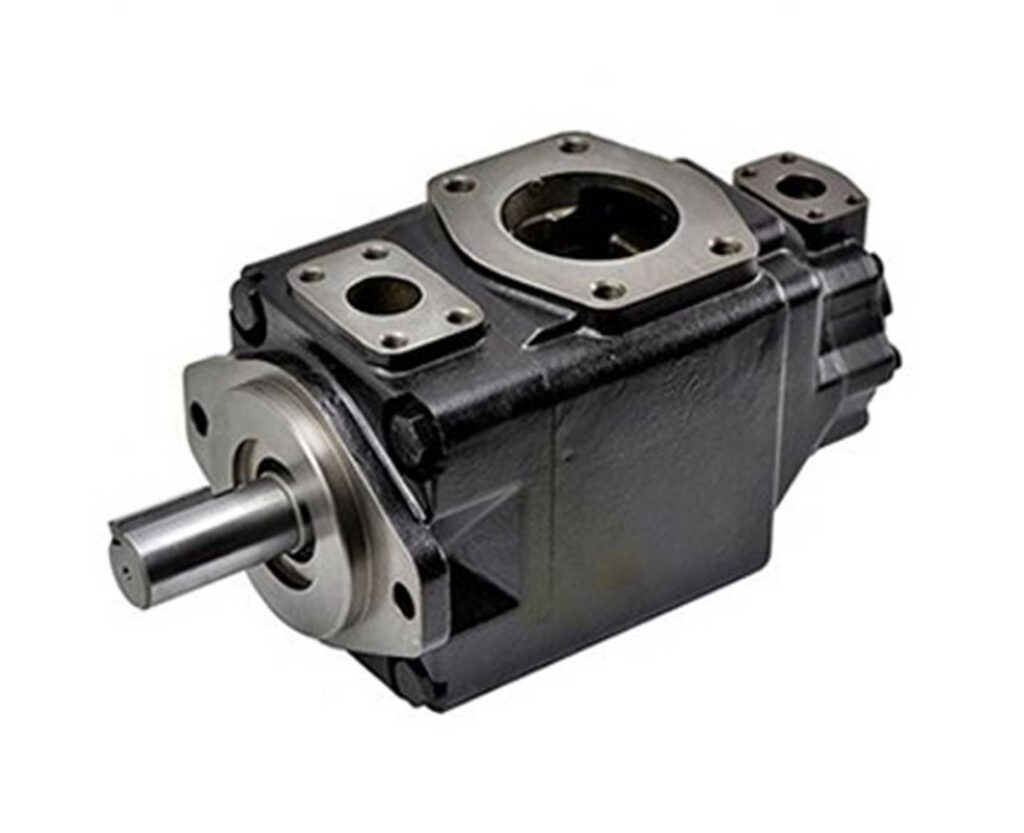
A double vane pump, also known as a dual vane pump, is a prominent player in hydraulic systems, facilitating efficient fluid power transfer for a myriad of industrial processes. With its unique dual vane design within a circular chamber, this pump delivers enhanced fluid control and increased performance. In this comprehensive guide, we will explore the double vane pump, delve into the reasons behind its widespread adoption, and shed light on the multitude of advantages it brings to hydraulic applications.
What is a Double Vane Pump?
A double vane pump is a positive-displacement pump featuring a circular chamber housing two vanes or blades. As the rotor, powered by an external source, rotates, the dual vanes move within the chamber, creating pressure differences that effectively transfer fluid. This synchronized operation ensures a continuous and reliable flow of fluid through the pump, making it an indispensable component in hydraulic systems.
Why Choose Double Vane Pumps?
Several compelling reasons contribute to the popularity of double vane pumps:
- Enhanced Performance: The dual vane design of these pumps allows for improved fluid control, leading to enhanced performance in hydraulic applications. With two vanes working in tandem, the pump can efficiently handle higher flow rates and pressure requirements.
- Reliability and Durability: Double vane pumps are known for their robust construction and reliable performance. The presence of two vanes distributes the workload, reducing wear and tear on individual components, thus extending the pump’s lifespan and ensuring dependable fluid transfer.
- Versatility and Adaptability: Double vane pumps offer versatility in handling various fluid viscosities, making them suitable for applications with diverse fluid characteristics. They can handle both thin and thick fluids, providing seamless fluid power control for a wide range of industrial processes.
Advantages of Double Vane Pumps:
- Higher Flow Rates and Pressure: The dual vane configuration enables double vane pumps to achieve higher flow rates and pressure capabilities. This heightened performance makes them ideal for applications requiring substantial fluid transfer and increased power output.
- Steady Fluid Transfer: Double vane pumps deliver a consistent fluid flow due to the synchronized motion of the two vanes within the chamber. This steady flow ensures smooth and controlled operation, making them suitable for critical processes that demand precision and reliability.
- Reduced Pulsation: The dual vane design helps minimize fluid pulsation, leading to smoother system operation. This reduction in pulsation contributes to improved equipment longevity and reduced maintenance requirements.
- Energy Efficiency: Double vane pumps can achieve higher flow rates with lower rotational speeds, resulting in improved energy efficiency. The ability to deliver enhanced performance while conserving energy translates into cost savings and reduced environmental impact.
The advantages of double vane pumps underscore their significance in hydraulic systems, offering enhanced performance, reliability, and adaptability to various industries. With higher flow rates, steady fluid transfer, and reduced pulsation, these pumps prove to be a reliable and efficient solution for critical hydraulic applications. Embracing the potential of double vane pumps empowers businesses to optimize their fluid power systems, ensuring seamless operations and increased productivity across diverse sectors.